
Originally published in The Lamp.
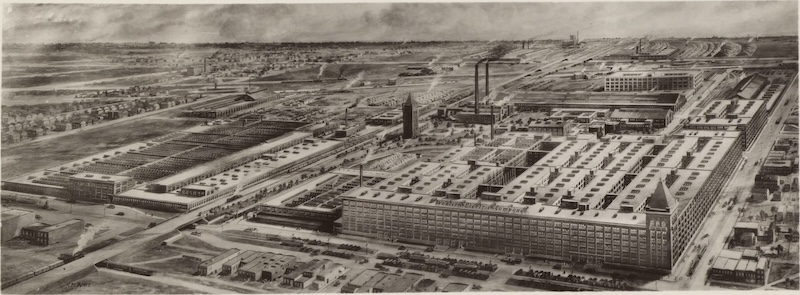
There was no such thing as “human resources” before 1958, when the term first appeared in print in an academic paper. The art of keeping one’s workforce in good order used to be called “personnel management” or “industrial relations,” and before about 1920 there was no such thing as that, either. It was not thought to be a separate type of management or something one could specialize in. For most of human history, workers and their bosses had face-to-face relationships. Only when corporations became so large that an owner could no longer learn the names of all of his employees did anyone start to talk about “human resources” in the abstract.
And even then it was hardly inevitable that the systematic science of selecting and managing workers would end up looking like the schoolmarmish, therapeutic, risk-averse paper-pushing that characterizes H.R. departments today. One textbook defines H.R. as “a largely behavioral science approach to the study of nonunion work situations, with particular emphasis on the practice and organization of management.” This is a pithy way of saying that H.R. sees bosses as economic actors and workers as psychological ones. From the beginning, H.R. has been the discipline addressed not so much to workers’ welfare as to their feelings.

